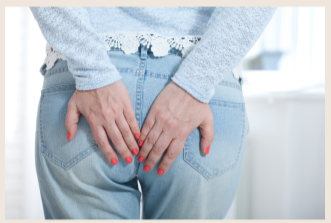

Why can't I control wind/a fart?
Understanding the causes and what to do about it
If you've ever been caught off guard by a fart that you simply couldn't hold in, you are not alone. The good news is, it is not something you just have to accept. Difficulty controlling flatulence can be a sign that your pelvic floor, sphincter muscles, or digestive system needs attention. This article explains exactly why fart control is more complex than most people realise, what conditions can make it harder, and when it is worth speaking to a pelvic health specialist.
The biology behind controlling wind
The digestive system produces gas as a natural byproduct of breaking down food. As bacteria in the large intestine ferment undigested carbohydrates, gas accumulates and eventually needs to exit the body. What most people do not realise is that controlling when and whether that gas is released is a genuinely complex physiological process, not simply a matter of willpower.
The rectum acts as a temporary storage area for both stool and gas. Specialised sensory (feeling) nerve endings in the rectal wall can differentiate between gas versus solid stool, sending signals to the brain that allow you to make a conscious decision about whether it is a safe moment to release… or not. The brain then communicates back through the spinal cord to the muscles around the anus, coordinating a response. When any part of this chain - the nerves, muscles, or brain is not functioning optimally, the result can be gas escaping before you are ready.
Controlling a fart therefore requires your nervous system, your muscles, and your gut to all be working together at the same moment. That is a lot more complexity than most people credit it with.
The role of the sphincter muscles
Understanding why you cannot always control a fart starts with understanding the two distinct muscles that manage the opening of the anus.
The internal anal sphincter is a ring of smooth muscle that operates involuntarily. It is controlled by the autonomic (involuntary) nervous system, meaning it works largely without your conscious input. It stays contracted most of the time to prevent leakage, and it relaxes automatically when the rectum fills. The external anal sphincter, by contrast, is skeletal muscle that you can voluntarily (you choose when to) contract, which is what allows you to consciously and purposefully "hold on" when you feel the urge to pass gas.
In normal function, the internal sphincter relaxes briefly to allow the rectal contents to be sampled, like a ‘is it gas or stool’, and the external sphincter simultaneously contracts to maintain control while your brain makes the decision to hold or release. When sphincter coordination breaks down, whether due to muscle weakness, nerve damage, or injury, the external sphincter may not engage quickly enough, and gas escapes involuntarily. This is often the direct mechanical reason people find they cannot control passing wind.
The role of the pelvic floor in controlling gas
The sphincter muscles do not work in isolation. They are supported by the broader pelvic floor, a group of muscles and connective tissues that span the base of the pelvis and contribute to the control of the bladder, bowel, and gas.
When the pelvic floor is functioning well, it provides a stable base from which the sphincters can operate effectively. When the pelvic floor is weak, overactive, or poorly coordinated, this supporting structure is compromised, and the sphincters have less backup during moments of increased pressure, such as coughing, sneezing, laughing, or lifting. These are exactly the moments when unintentional gas release is most likely to occur.
Factors that commonly weaken pelvic floor integrity include vaginal deliveries, particularly following prolonged labour, instrumental delivery (ventouse, forceps), episiotomy or significant perineal tearing. During peri menopause and menopause there is a gradual reduction in muscle tone and tissue elasticity with declining oestrogen. Repetitive heavy lifting, high-impact exercise with poorly managed pressure, and chronic constipation all place sustained downward pressure on the pelvic floor over time, gradually eroding its ability to provide reliable support. If you notice that you particularly struggle to hold in gas during physical activity or at moments of sudden exertion, pelvic floor dysfunction is a likely contributor.
Flatal Incontinence:
When it becomes an issue
When the inability to control gas release is frequent, distressing, or unpredictable, it has a clinical name: flatal incontinence. This is distinct from full bowel or faecal incontinence, though the two exist on a spectrum and can occur together.
Flatal incontinence is defined as the involuntary loss of gas from the rectum. It is more common than most people realise, but because it involves a bodily function surrounded by embarrassment and social stigma, it is significantly underreported. Many people quietly manage symptoms for years, avoiding social events, skipping exercise classes, or restricting what they eat, without ever mentioning it to a healthcare professional.
The severity of flatal incontinence varies widely. Some people experience occasional episodes during exercise or illness. Others find it is a daily, unpredictable occurrence that affects their confidence and quality of life. At the more severe end, it may occur alongside an inability to control solid stool. It is important to understand that flatal incontinence is not an inevitable part of getting older or of having had children, it is a treatable condition, and help is available.
Medical conditions and disorders that bay be the cause
A number of medical issues can directly impair the structures and signals involved in gas control. Understanding which conditions are relevant can help you and your healthcare provider identify the cause.
Structural changes including rectal prolapse and bowel prolapse
Rectal prolapse, where part of the rectal wall (bowel) protrudes through the anus, alters the geometry of the anal canal and can prevent the sphincters from closing fully. A bowel prolapse, which is a bulge of the rectal wall into the back of the vaginal wall, can affect how gas and stool are stored and moved through the lower bowel, contributing to difficulty with control. Both conditions are more common following childbirth and are worth investigating if you are also experiencing a sensation of incomplete emptying or pressure in the vagina.
Diarrhoea, loose stools, and haemorrhoids
When stool is liquid or very loose, the challenge of distinguishing and controlling gas is much greater, because the contents of the rectum are less easily held back. Chronic diarrhoea, whether from dietary sensitivity, infection, or bowel disease, therefore makes flatal incontinence considerably more likely. Haemorrhoids and anal fissures can also affect the sphincter's ability to form a complete seal, meaning even normal volumes of gas may escape more readily than expected.
Lifestyle, dietary, and situational reasons/causes
Not all difficulty controlling flatulence is linked to a medical condition. Lifestyle and dietary factors can push gas production beyond the sphincter's comfortable management capacity.
Certain foods are well-established contributors to increased gas volume. Gas responsible for flatulence is produced primarily through bacterial fermentation of undigested carbohydrates in the large intestine. When fermentation is high, due to diet, gut microbiome imbalances, or conditions like IBS, the volume of gas produced can exceed what the sphincter can comfortably manage.
Physical exertion, bending, and laughter all increase intra-abdominal pressure, which pushes downward on the pelvic floor and sphincters. If these muscles are not strong enough to resist that pressure surge, gas may escape at these moments. This is why many people notice the problem most during exercise, during a yoga class, or when laughing with friends.
Stress and anxiety also play a role through the gut-brain axis. Heightened anxiety accelerates gut motility in many people, reducing the time available to respond to the urge to pass gas. Certain medications are also relevant. Antibiotics (which disrupt the gut microbiome can increase fermentation-related gas), and metformin used for type 2 diabetes are commonly associated with increased uncontrollable flatulence as a side effect.
Treatments and solutions for regaining control
The good news is that fart control can be improved in the majority of cases, and there are several evidence-based treatment options depending on the underlying cause.
Pelvic floor exercises and physiotherapy
Targeted pelvic floor exercises, including Kegel exercises, are the cornerstone of conservative treatment for flatal incontinence. When performed correctly and consistently, they strengthen the external anal sphincter and the broader pelvic floor musculature, improving the ability to contract voluntarily when gas needs to be held in. The key word here is correctly: many people perform pelvic floor exercises inaccurately (25-50%), either bearing down rather than lifting, or tensing surrounding muscles instead. A pelvic health physiotherapist can assess your technique and prescribe a tailored programme that addresses your specific pattern of dysfunction, rather than a generic one-size-fits-all approach. Where damage has occurred following childbirth, surgery, or injury, physiotherapy can also help to retrain the sphincter and restore coordination between the muscles involved.
Biofeedback Therapy
Biofeedback therapy is a technique that uses an instrument (eg the perplusiform ) to give patients real-time vistual feedback about their muscle activity. This allows people to become consciously aware of whether they are activating the right muscles, and to practise increasing and sustaining contraction with accuracy they would not otherwise have. Research supports biofeedback as an effective treatment for both flatal incontinence and faecal incontinence, and it is most effective when delivered alongside a structured pelvic floor exercise programme.
Dietary changes for managing flatulence
Where loose stool or urgency is contributing to flatal incontinence, medications that firm stool consistency can improve control by making the rectal contents easier to contain *Always consult your GP or a Pharmacist before starting any new medication. Dietary fibre, particularly soluble fibre such as psyllium husk, can regulate bowel consistency and reduce both constipation and diarrhoea-related incontinence. These approaches are best used alongside, rather than instead of, pelvic floor rehabilitation.
When to seek help
Many people normalise difficulty controlling gas for far too long, putting it down to diet, age, or simply "just being like that." But there are clear signs that your experience has moved beyond normal digestive variation and deserves professional attention.
You should consider seeking help if you are regularly unable to control when you pass gas, if it is causing you to avoid social situations, exercise, or activities you enjoy, or if it occurs alongside any loss of control of liquid or solid stool. If you notice mucus or blood alongside increased flatulence, or if symptoms have come on suddenly rather than gradually, it is important to speak to your GP in the first instance.
The barrier for many people is embarrassment. It is worth knowing that pelvic health physiotherapists, specialist nurses, and continence advisors discuss these symptoms every day, it is their area of clinical expertise, and nothing you describe will surprise them. Approaching the conversation by simply saying "I'm having difficulty controlling wind and I'd like to understand why" is enough to start the right process.
Chronic uncontrollable flatulence is not a quirk to be quietly managed. It is a symptom with identifiable causes and effective treatments. The sooner it is assessed, the sooner you can get back to living without it at the back of your mind.
Summary
Difficulty controlling a fart is caused by a complex interplay of factors involving the sphincter muscles, the pelvic floor, the nervous system, and the digestive tract. When any of these elements is weakened, damaged, or poorly coordinated (whether through childbirth, aging, nerve damage, bowel conditions, or lifestyle factors) involuntary gas release becomes more likely. Flatal incontinence is a recognised, treatable clinical condition, not an inevitable inconvenience. Evidence-based treatments ranging from pelvic floor physiotherapy and biofeedback to medication and, where needed, surgical repair, can significantly improve or resolve symptoms. If uncontrolled flatulence is affecting your confidence or quality of life, speaking to a pelvic health specialist is the most important step you can take. If you are newly postnatal then a Mummy MOT assessment will include flatal incontinence as part of the assessment or if you have not had children recently then you’d be more suited to a Womens Pelvic Health assessment.